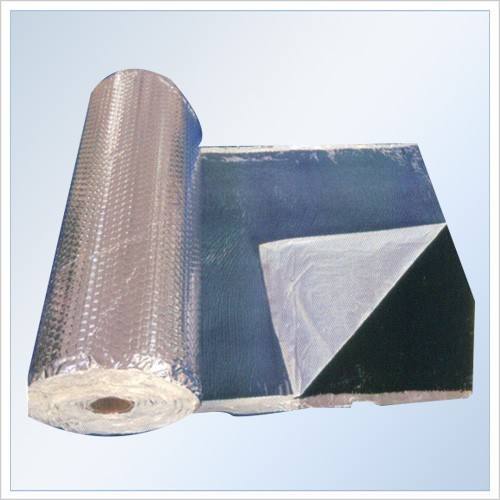
All kinds of vibration environments borne by spacecraft during launching and in orbit will have a great impact on the reliability of high-precision and high-resolution electromechanical components. With the continuous development of remote sensing and space observation in China, the stability requirements of some high-precision payloads even reach submicron level, while the continuous structural micro vibration will make it difficult for the imaging system to complete the measurement, In order to improve the load environment of such equipment, it is necessary to take measures of vibration reduction or isolation. Viscoelastic damping technology has been successfully applied in spacecraft vibration reduction and isolation because of its high reliability, low cost and simple system.
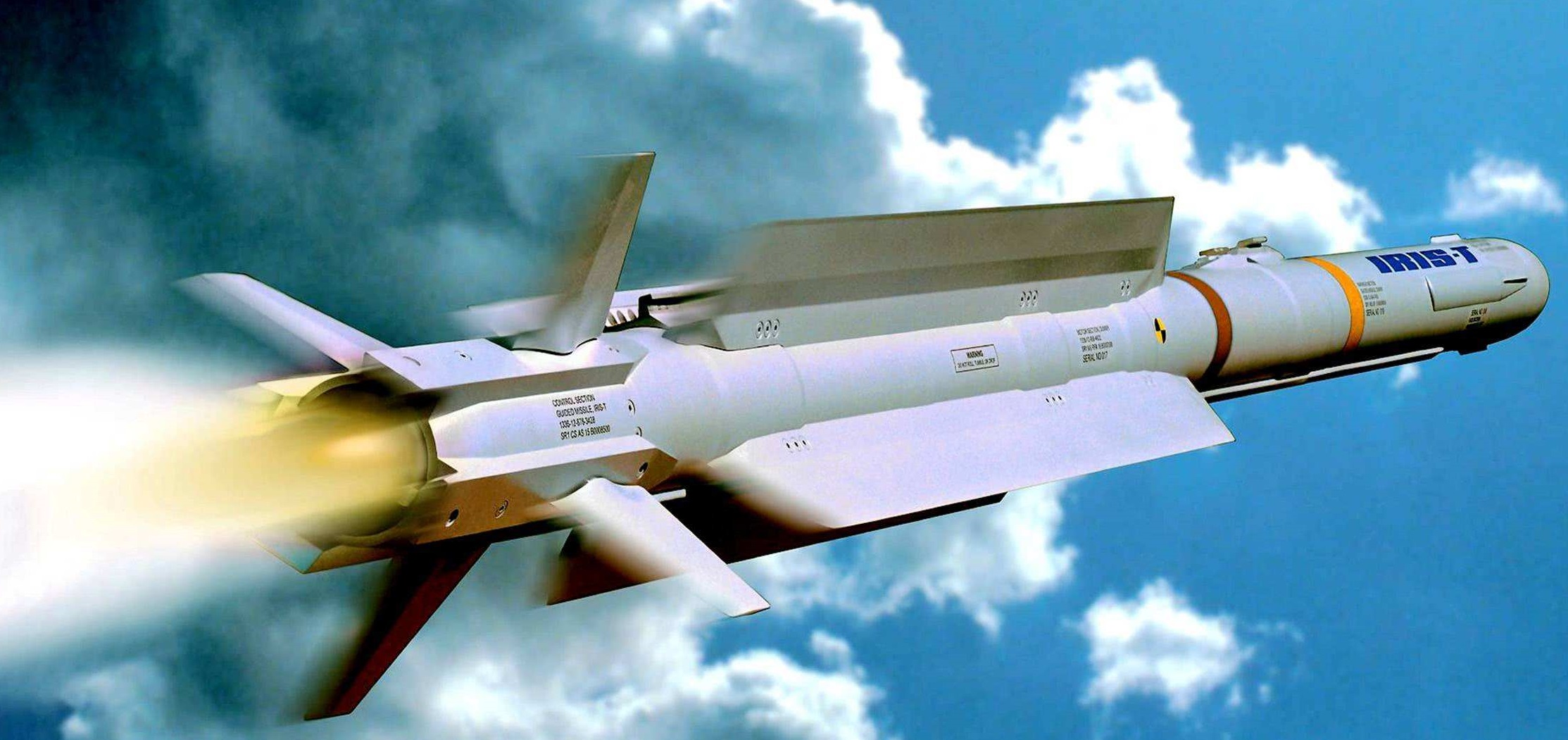
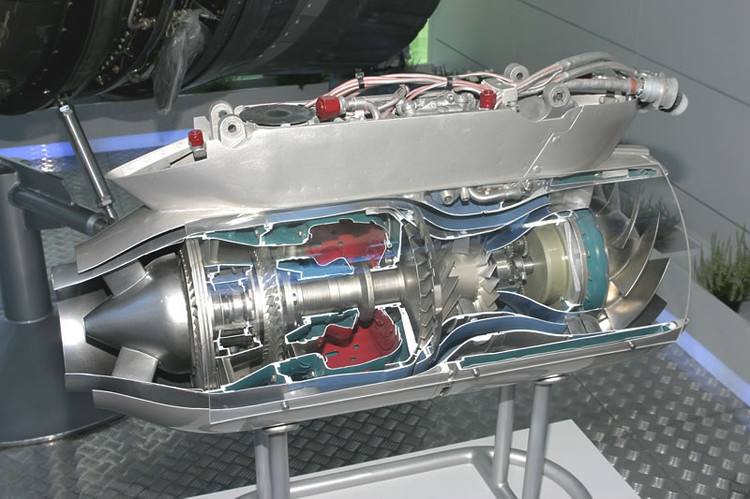
In modern aerospace and aviation industry, damping materials are mainly used to make the shell of control panel or gyroscope of rocket, missile, jet and so on. The use of damping materials can improve the accuracy of information sent back by satellite and spaceship and the accuracy of missile hit. At present, it has been widely used in Aerospace instruments. The shell of hyperbolic inertial platform of rocket and missile uses the core as resistance The sandwich structure composed of Ni material and plate shell is used to replace the whole thick wall metal shell with stiffeners. Under the condition that the structural rigidity is basically unchanged, the amplification of the fundamental frequency response can be reduced from 40 times to 8 times, and the structural weight can be reduced by 20%. Damping materials are also widely used in various relay boards, printed circuit boards and electronic instrument mounting boards.