
With the continuous development of China's rail transit, the speed of trains has been greatly improved. At present, the speed of trains on high-speed railway lines reaches 300 Km/h, which brings about serious environmental noise pollution of railways. The vibration and noise generated by trains during operation not only affect the equipment, passengers and staff of Railways themselves. It also affects the surrounding environment and residents. Therefore, taking appropriate measures to reduce the vibration and noise generated by trains is not only conducive to environmental protection, but also conducive to the sustainable and healthy development of railway traffic.
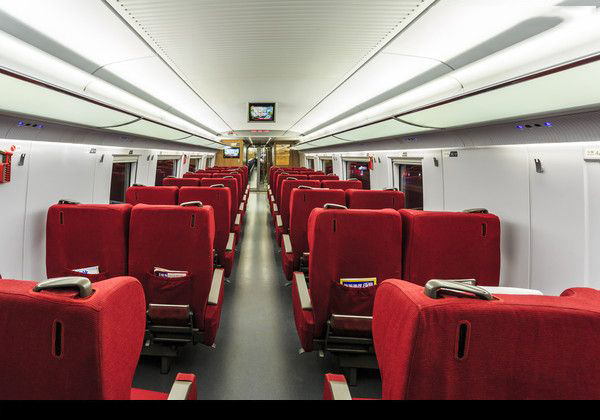
Railway noise is generated by various types of trains passing through the track, which is a complex noise source system. It is mainly divided into traction noise, wheel-rail noise, aerodynamic noise and other noise. At present, seamless railway is widely used in China, which makes rolling noise of wheel and rail become the main noise of railway. The results show that in the rolling noise of wheel and rail, the main radiated noise frequency band of wheel is more than 1500Hz.
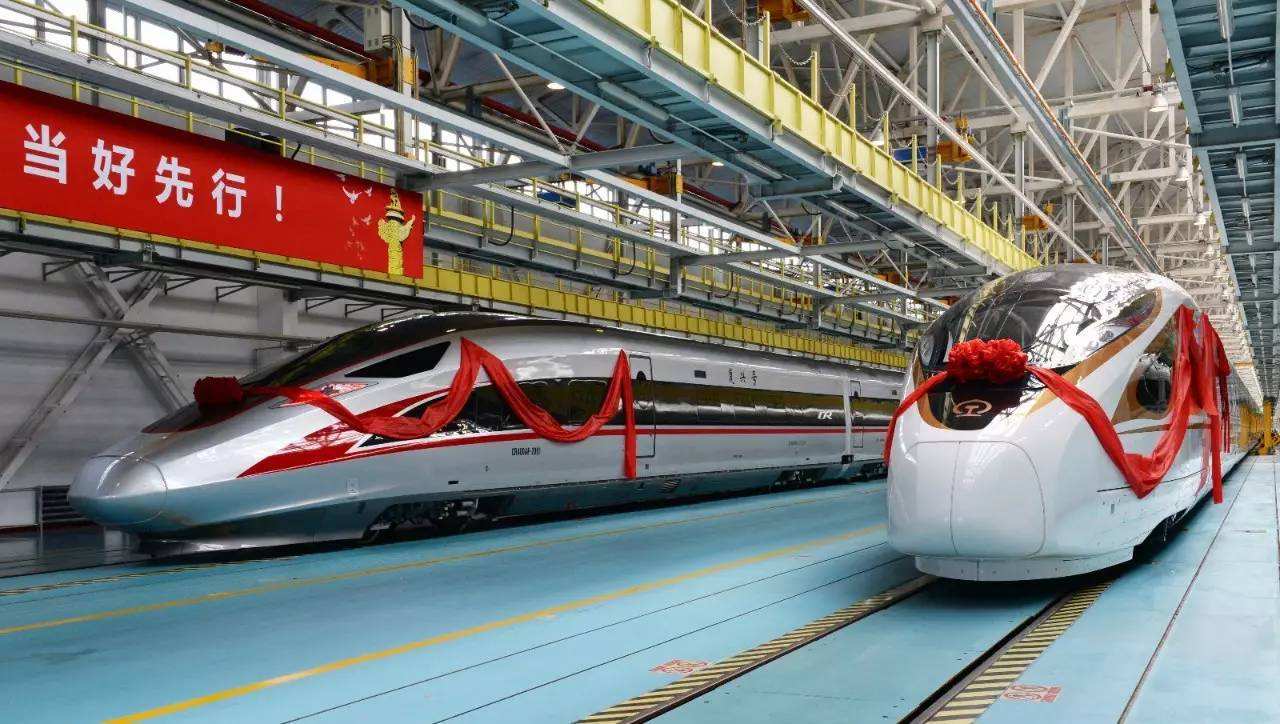
Measures to reduce wheel noise: According to the theory of wheel-rail noise, the main measures to reduce wheel noise are as follows: 1. Reducing the vibration of the main vibration system by using additional damping elements, elastic elements and floating mass blocks connected on the main vibration system. 2. Elastic wheels are formed by adding rubber isolation layer between wheel hub and spoke.
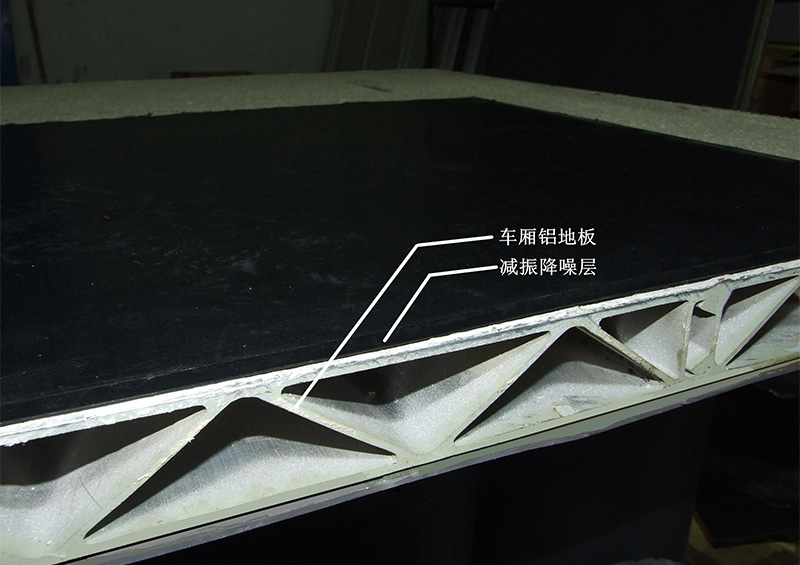
3. Optimize the wheel shape without affecting other requirements, so as to reduce the vibration speed of the wheel structure and reduce the wheel noise.
4. Reduce the sound radiation effect of wheels.