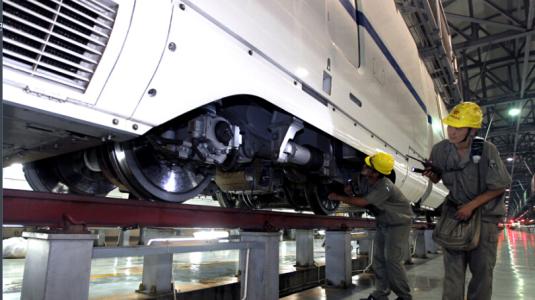
Wheel rail noise, especially the radiation noise of rail vibration, is the main source of traffic noise. Wheel rail noise can be divided into three main types: squeal noise, impact noise and rumble (or rolling) noise. Squeal noise refers to that when the vehicle passes through a small curve radius, the wheel cannot be tangent to the rail due to the restriction of the bogie, that is, the axle cannot be in the radial position of the curve, thus causing the wheel to slide across the rail head when rolling along the rail, resulting in adhesion and idling of the wheel rail contact surface, resulting in intense wheel rail resonance and narrow band squeal.
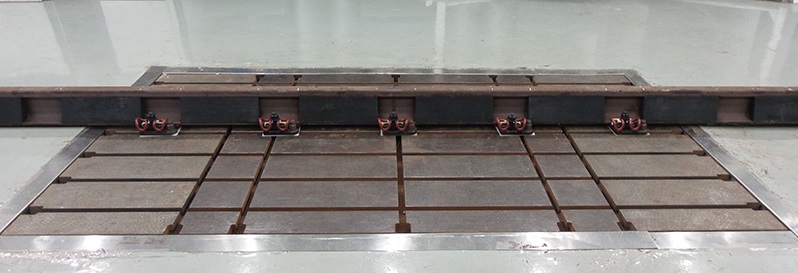
The impact noise is caused by the impact of the wheel rolling on the rail through the rail joint, the rail surface is not smooth alone, the turnout or the scratched wheel, etc. for example, the low (high) joint, the rail peeling off, the wheel flat and so on can cause additional wheel rail power and high-frequency vibration, and the vibration of the starting wheel and rail will cause the wheel rail radiation noise. Rumbling (or rolling) noise is the noise that occurs when wheels without scratches are rolling on the straight rails in continuous welding and good condition. This part of noise is directly related to the roughness of rail surface and wheel tread. Since the noise and vibration are linearly related in the frequency range of 500 ~ 2500Hz, and the rail is the main radiator in this frequency range, it plays a key role in noise reduction to restrain the vibration speed of the rail.
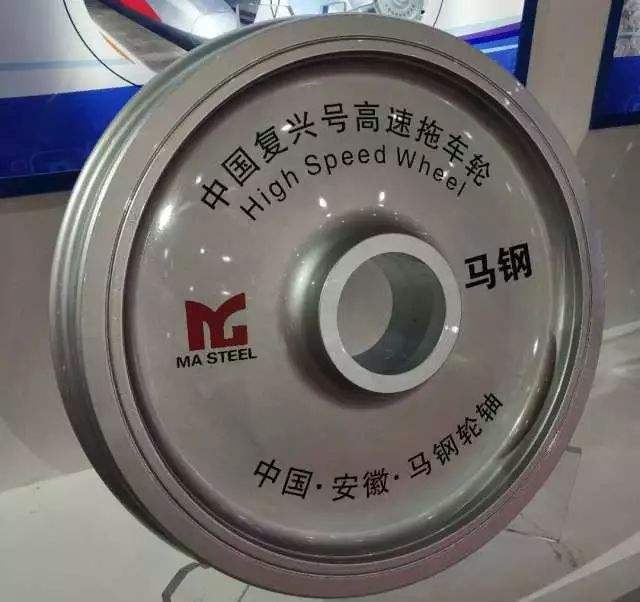
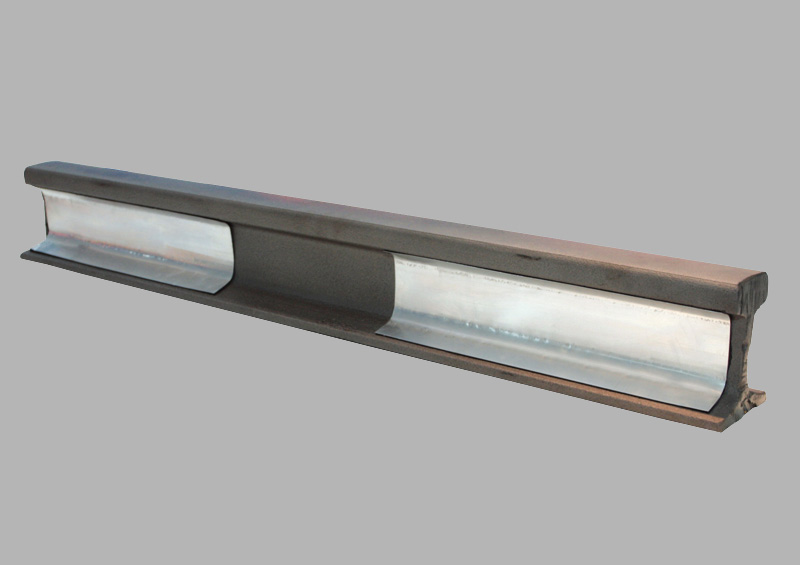
Pcmape can significantly reduce the high frequency component of the impact radiation sound of the bare rail by using the constraint damping method attached to the rail waist. The multi-layer composite structure is adopted for the multi-layer constrained damping rail vibration absorber, in which the high elastic energy consumption material layer constitutes the distributed elastic element of the dynamic vibration absorber, the mass layer and several damping layers and constraint layers constitute the distributed mass of the dynamic vibration absorber, the distributed elastic element and the distributed mass constitute a group of distributed parameter dynamic vibration absorbers, which can absorb the energy of rail vibration, Especially the energy of low frequency vibration. The distributed mass composed of the mass layer, the damping layer and the restraint layer can also be used as the multi-layer restraint damping to reduce the vibration deformation of the distributed mass, especially the energy of the medium and high frequency components. The cross-section of the multi-layer constrained damping rail vibration absorber is consistent with the profile of the rail waist, the back side of the rail head and the top of the rail bottom of the cross-section of the rail, which is convenient for fitting and installation with the rail. The adhesive used has no corrosive effect on the rail and does not affect any function of the rail.