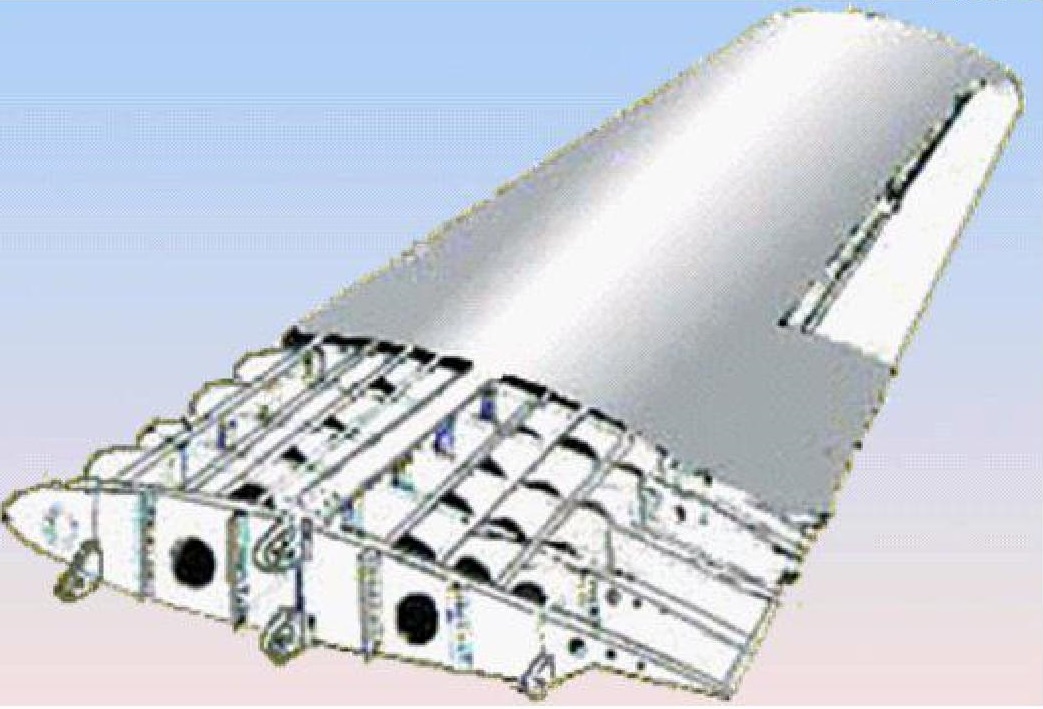
The application of high temperature resistant, flame retardant and environmental protection damping technology in aerospace industry is increasing day by day, and the application is very successful. The stability problems of large spacecraft and the problems related to engine vibration, noise control and noise control in the aircraft cabin are all the applications of high temperature resistant damping technology. In view of the excessive vibration and noise in the cockpit under special circumstances, the acoustic environment in the cockpit has been paid more and more attention by airlines and aircraft manufacturers.
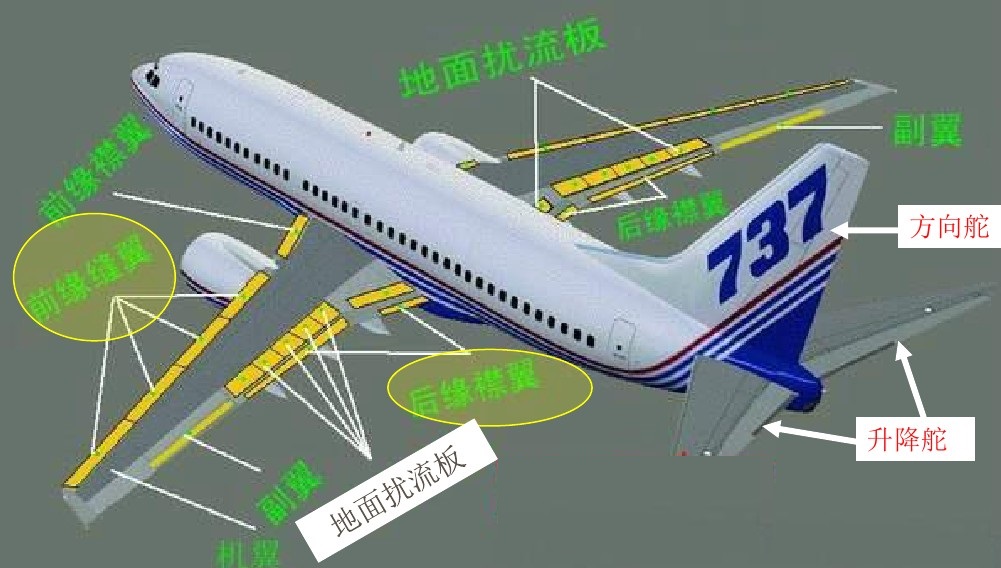
How to reduce the noise in the cockpit and improve the comfort of the aircraft has become one of the hot issues in aircraft research.
The noise in the aircraft cabin mainly comes from the structure and the air. In the control of the noise in the aircraft cabin, the medium and high frequency air noise can be effectively isolated by laying insulation, sound insulation, fire-retardant and damping materials and improving the air tightness of the fuselage.
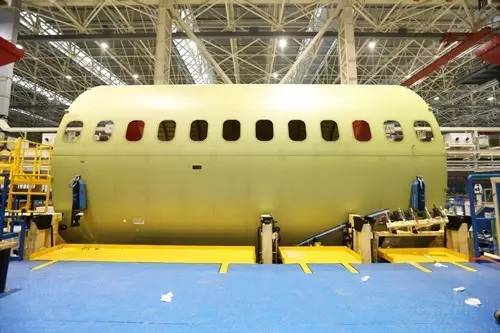
The medium and low frequency noise caused by the engine vibration in the structure decreases with the distance to a small extent, which is difficult to be avoided Inhibition. Especially for aircraft design, the weight and space are strictly controlled, and the medium and low frequency noise has always been a problem in the control of aircraft cabin noise. The metal parts such as engine skin can be effectively reduced noise and damping by using constrained damping.