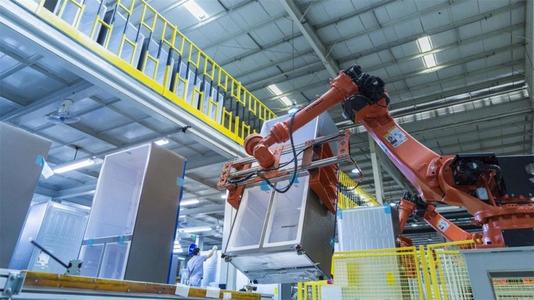
In addition to the performance, the noise emitted by household appliances is becoming another focus of users' attention. The noise itself, for the health of users, is also an environmental pollution. According to the international standard of house noise, the noise level of household appliances should be lower than 42db (a), which has been seriously challenged in the domestic market. The feedback rate of users to noise is increasing year by year, and the requirements for noise are no longer limited to the requirements of limit value. The quality of sound is becoming a popular element, and is heating up.
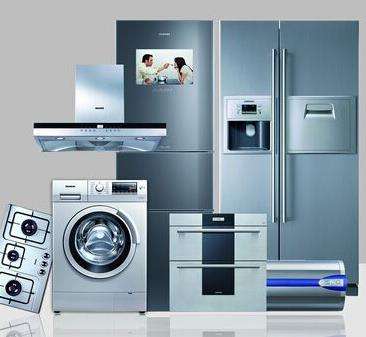
At present, the main method of refrigerator noise reduction is experimental research, and the most commonly used noise reduction measures are using low-noise parts, vibration buffer technology, muffler, noise reduction damping cement, etc. the main method is the test test test retest method to achieve the purpose of noise reduction. Due to the small volume of the refrigerator, most of the compressors used are airtight rotary compressors. In the process of compressor operation, the noise sources are complex, mainly from three categories: mechanical noise, aerodynamic noise and electromagnetic noise.
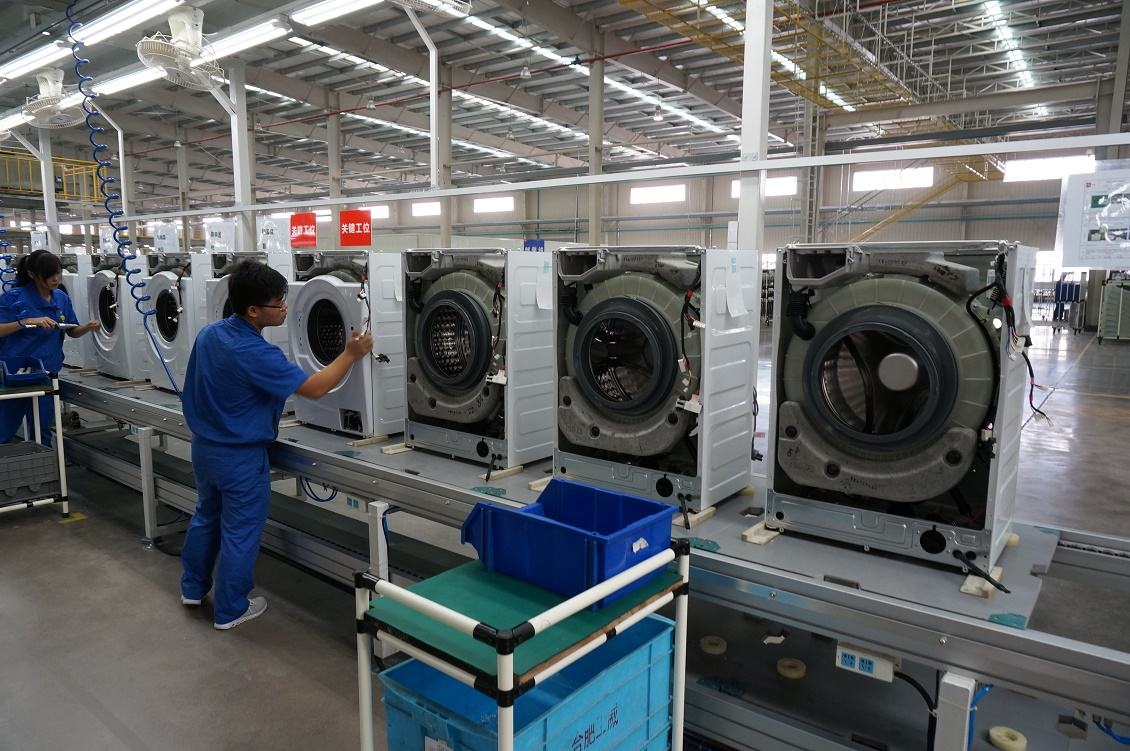
Application of damping technology
There is a close relationship between vibration and acoustic radiation. The effect of transforming vibration energy into acoustic energy is determined by the interaction between the structure and the medium, that is, the structural acoustic radiation depends on the surface vibration of the structure and the ability of transferring vibration energy to the surrounding medium. If there is no loss of other energy in a vibration radiated noise, the vibration mechanical energy will radiate out to the surrounding medium space mainly by converting it into sound energy. However, due to the existence of structural loss damping, part of the mechanical energy will be converted into heat energy. Therefore, the response of the actual mechanical system to the sound field depends on the structural damping as well as the acoustic radiation damping. In the refrigerator application process, the structural acoustic radiation damping can be ignored, and the structural damping has an important influence on the vibration and noise control, which can not be ignored. It can be seen from the theory of structural acoustic radiation that bending wave is the main reason of the acoustic radiation of plate structure. In order to suppress the generation of bending vibration and reduce the transmission of bending wave energy, the reinforcement treatment of structure can effectively improve the sound insulation effect of structure in low frequency; but at the same time, the stiffness increases, making the natural frequency of structure move to high frequency, thus increasing the high frequency acoustic radiation of structure. According to the principle of reinforcement, the reinforcement should be located near the pitch line of the structural vibration mode as much as possible. However, when applying the damping technology, the damping material should be located at the maximum amplitude of the structural vibration mode as much as possible, so both should be considered. The traditional method is to increase the stiffness of the plate through reinforcement, but it can not increase the use and implementation of the structure and other advantages have been widely used. Different kinds of damping materials have different performance curves and are suitable for different use environments. Damping and energy consumption characteristics reduce the transmission of vibration energy, so the effect of vibration reduction is limited. Damping materials have been widely used due to their advantages of good damping effect, low price, ease of use and implementation.
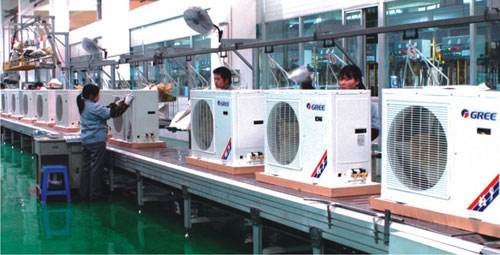
The damping materials produced by putsmier precision aviation equipment have different performance curves and are suitable for different environments. Viscoelastic damping material is the most widely used damping material at present. It can adjust the composition and structure of the material in a large range, so as to meet the requirements of specific temperature and frequency, and has enough damping loss factor. Viscoelastic damping materials are mainly divided into environmental protection rubber type sheet structure. They are directly applied to the structure requiring vibration reduction, and the noise reduction effect is very significant.