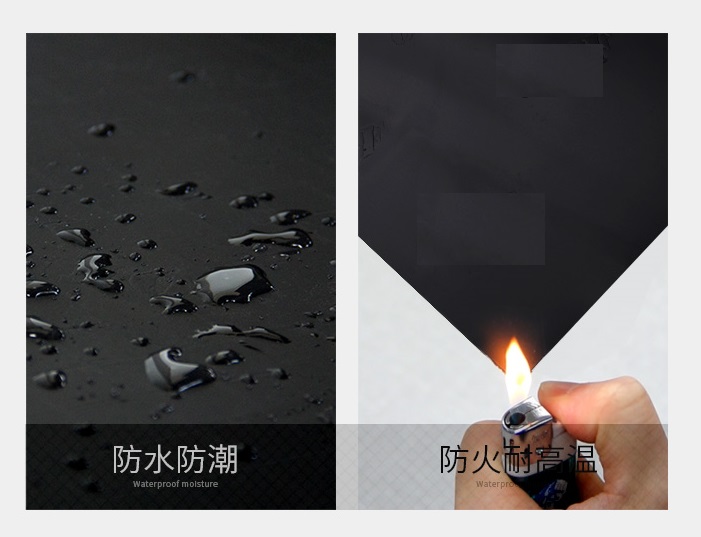
Polymer damping material is also known as macromolecule vibration absorbing material. Polymer materials which can convert mechanical vibration energy or sound energy into heat energy and dissipate it, and can prevent or reduce the damage of mechanical vibration to components.
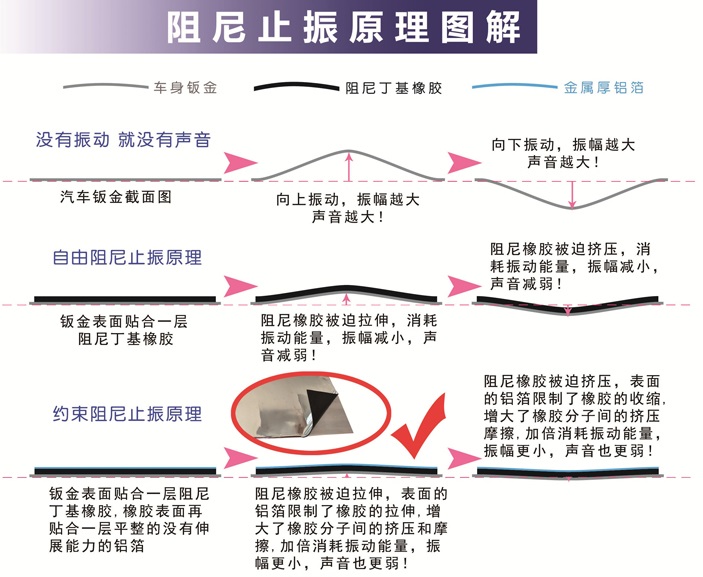
The basic principle of damping is energy loss. The ability of materials to transform mechanical vibration energy into heat energy dissipation when they are subjected to vibration deformation is called damping. The greater the damping, the more energy the input system will lose in a shorter time, so the time from the stimulated vibration to the resting of the system will be shortened. Therefore, the damping can also be understood as the ability of the system to quickly recover to the pre-stimulated state after being stimulated.
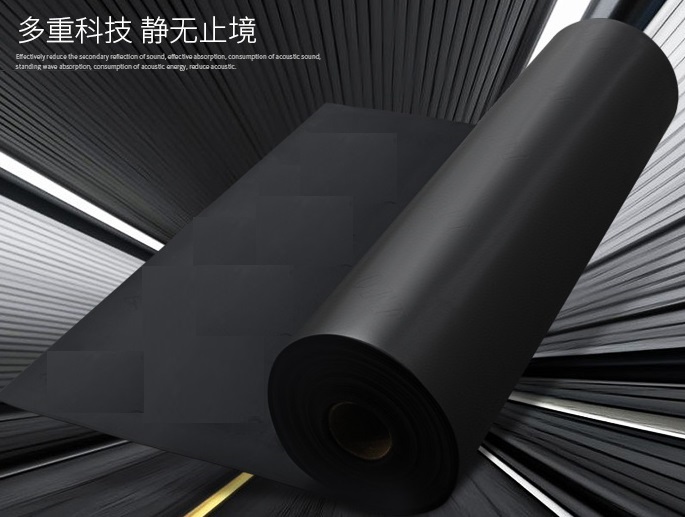
There are many kinds of damping materials, which can be summarized as follows: viscoelastic damping materials (i.e. polymer damping materials), composite damping materials, ceramic high temperature resistant damping materials, intelligent damping materials (piezoelectric damping and electrorheological fluid). The damping properties of different damping materials vary greatly, reaching several orders of magnitude. Most structural materials, such as metal materials, have smaller loss factors, while polymer viscoelastic materials have larger loss factors. As a new kind of functional materials, polymer damping materials will be developed in the direction of high performance, intelligence and refinement.