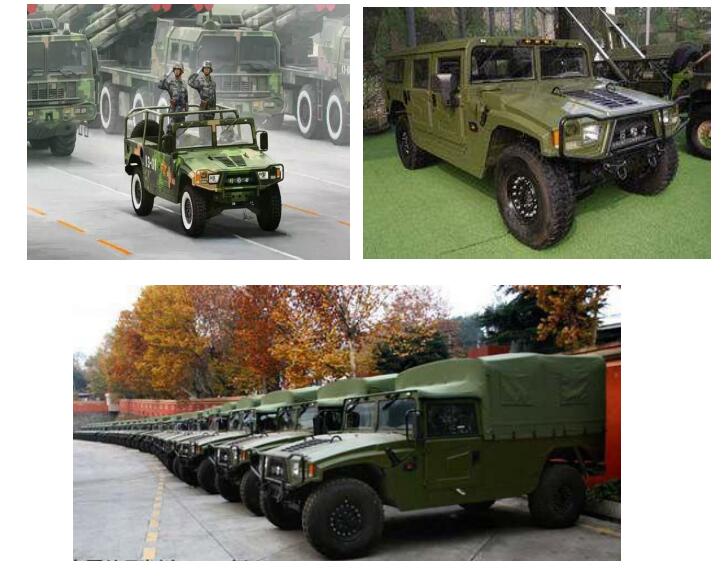
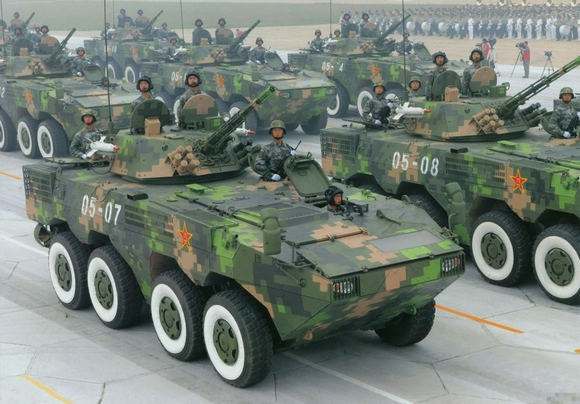
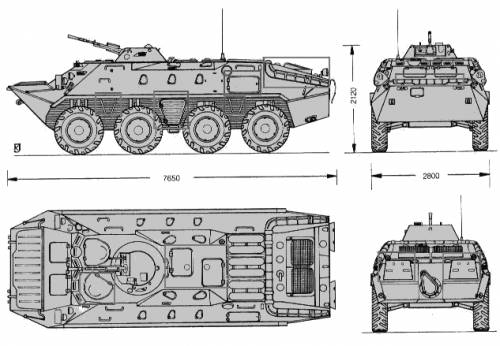
Tracked armored vehicles, wheeled armored vehicles, cross-country military vehicles, police explosion-proof vehicles are all multi-purpose vehicles. Because of their special structure, the noise in the vehicle is very high when it hinders the operation, which greatly exceeds the health standard acceptable to the general human body. As a result, the physical and mental health of the crew are damaged. This is a technology which has been paid attention by designers and users at home and abroad but has not been solved for a long time.
Since the 1960s, the U.S. and Western military and research and design institutes have studied the dynamic characteristics of MLL ^ A ^ aifv armored vehicle and main battle tank armored vehicle, the interaction force in suspension system, the transmission characteristics of excitation and acoustic response by means of finite element method, modal analysis and mechanical impedance, Based on the structural redesign, a better estimate of the vehicle body vibration and interior quotient response in the low frequency range is given, and the flexible driving wheel and guide wheel in the laboratory are designed. Both the theoretical analysis and the actual measurement results show that due to the violent collision and friction between the track and the wheel, the vibration response and sound radiation in the wide frequency range of the armored vehicle shell are aroused, and the vibration and sound energy in the middle and high frequency are dominant Status. It is difficult to achieve the purpose of noise reduction by using general experimental analysis methods and noise reduction methods. Aiming at this problem, this study has carried out a comprehensive study from the aspects of noise test method, analysis technology and noise reduction measures, and achieved good noise reduction effect.
1. Noise sources of vehicles
The main noise of vehicles in use comes from sheet metal, engine, transmission system, cooling system, intake system, exhaust pipe, brake, road friction, tire, wind resistance, etc. The secondary noise comes from door opening and closing, front and rear hood opening and closing, and window opening and closing.
2. Common noise frequency
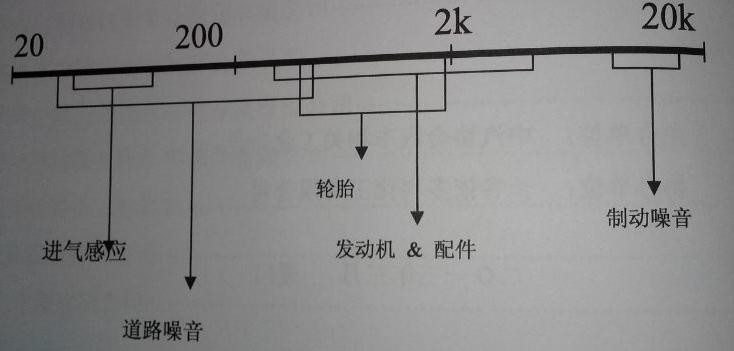
In nature, the audible frequency range of human ear is 20-20000hz, and the noise frequency generated during vehicle use is as follows:
3. Application position of damping material in automobile
Damping materials are mainly used in the car floor, door panel, top cover, spare wheel house, wheel cover, instrument panel, engine cover, skirt and other body parts, as shown in the figure below.
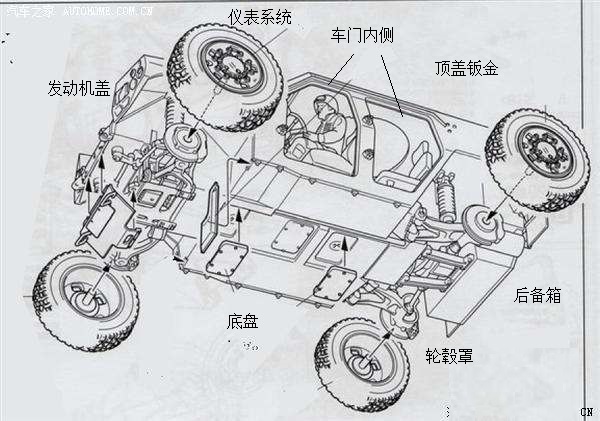
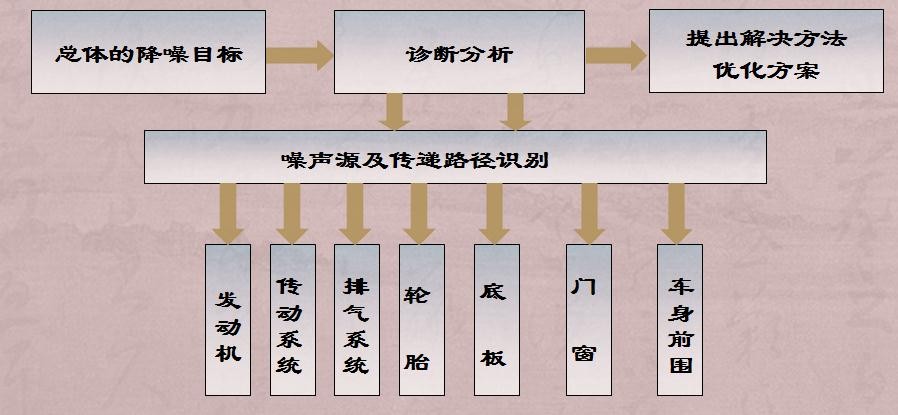
4. Noise source diagnosis
Order analysis: understand the change rule of the noise in the car with the speed when the car accelerates, clarify the relationship between the noise peak value and the engine speed, and determine the main noise conditions.
Spectrum analysis: understand the frequency composition of noise source; determine the source of some peak frequencies. Coherence analysis: accurately estimate the influence degree of different noise sources on the evaluation point.
Sound intensity and sound insulation analysis: analyze the sound insulation of each frequency band and the overall sound insulation of each part of the vehicle body. Modal test analysis: test the modal frequency of the bottom plate, door and other components, and analyze the relationship between noise and resonance frequency.
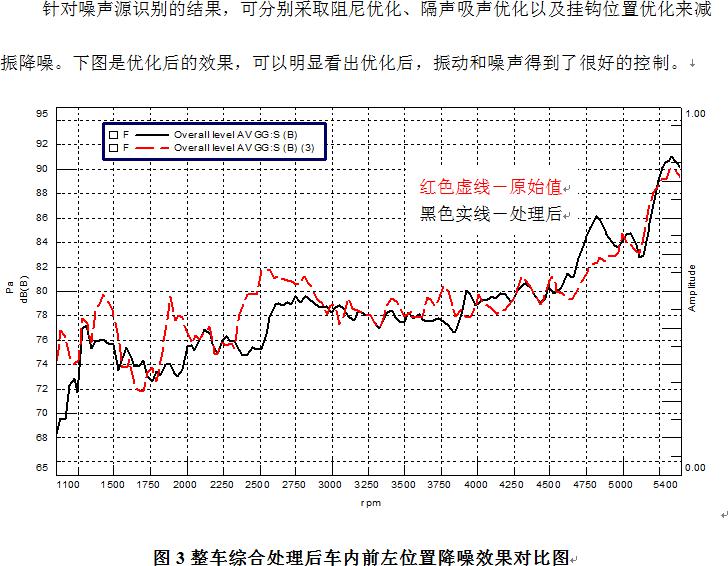
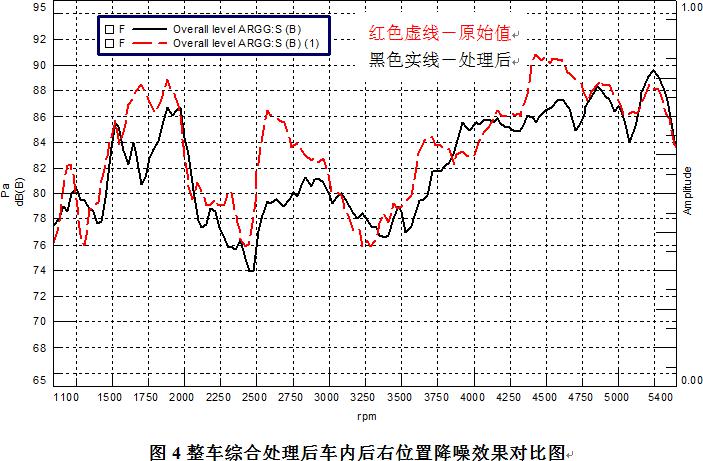
5. Results of vibration and noise reduction measures
For example, test analysis and noise optimization case for a certain vehicle model:
The putsmier damping patch is used to restrain the damping patch for the chassis, side plate, trunk and roof sheet metal of the vehicle. The specific location is as follows:
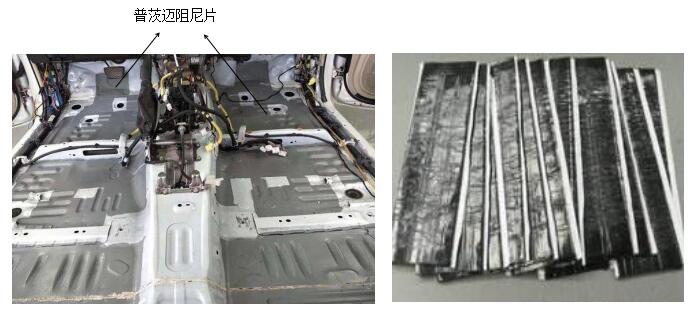
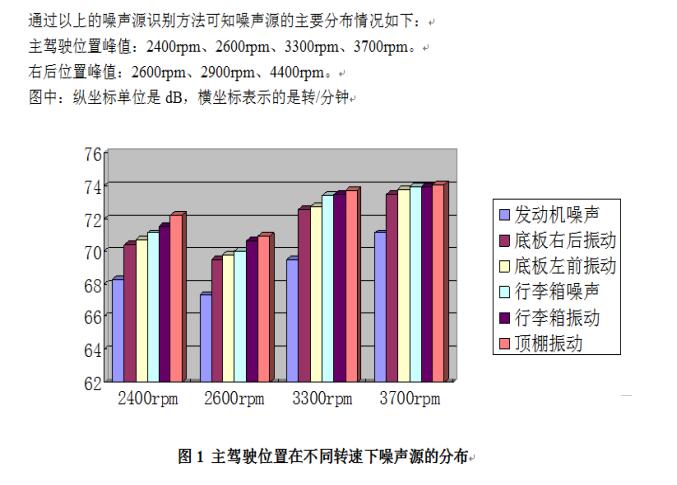
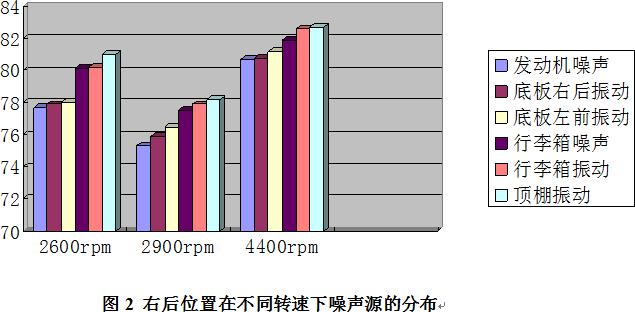
6. Discussion on the optimization design of NVH (noise) materials for automobiles
7. Application of high density damping in military off-road, armored and police explosion-proof vehicles
In the weapon industry, the vibration of the transmission part of military vehicles (engine, gearbox, gearbox) is a complex vibration, with a wide frequency range. Many military shock absorption designs in the early stage were not mature, mainly staying at two levels. One is to rely on experience and some theories to guide the shock absorption design; the other is to carry out theoretical shock absorption design completely, but there is no vibration experiment in the design In the inspection process, only vibration test is conducted at the end. The application of high-performance damping and damping wear-resistant surface cladding material technology greatly reduces the vibration and noise produced by the transmission part of heavy combat vehicles. Vehicles are the main military equipment of the mechanized forces in the future, and will take on extremely important combat tasks in the future war.
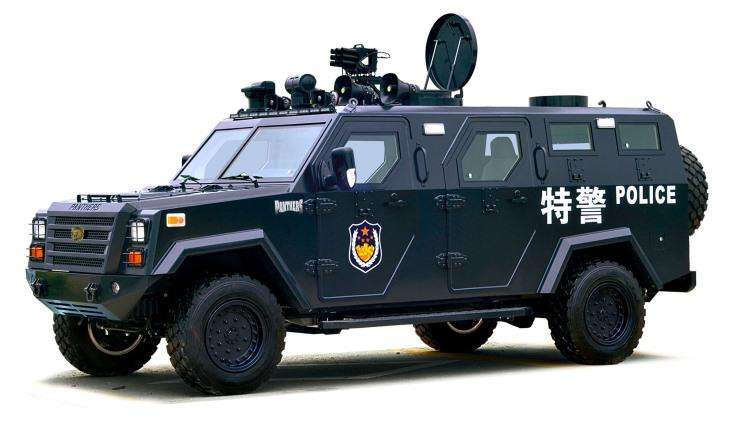
In order to give full play to the combat effectiveness of military vehicle weapon equipment, it is required that the crew of military vehicle must keep energetic and responsive in a long combat stage, and must create a relatively comfortable living and operating space for the crew of military vehicle. At present, the internal noise pollution of military vehicles produced and equipped in China is serious. The measurement results show that the noise level of military armored vehicles equipped now increases with the increase of vehicle speed. The harm of the internal noise of military vehicles must be paid great attention to, and great efforts must be made to solve the problem of reducing the internal noise of military vehicles, which is of great significance to protect the combatants, improve the combat effectiveness, and give full play to the combat effectiveness of weapons and equipment. The vibration of engine is the main noise source in armored vehicles. Through the analysis of the vibration and noise signal in the vehicle by frequency analysis and coherence analysis, the characteristic frequency of the vibration isolation and noise reduction characteristics in the military vehicle is obtained. The results show that at last, the structural noise of the military vehicle can be effectively reduced by using the putsmier damping reinforcing plate, the design of relevant improvement measures and the damping sound absorption structure.