
The viscoelastic damping materials produced by pcmape have excellent effect on vibration reduction and noise reduction, and are widely used in aerospace, ship, vehicle and other fields.
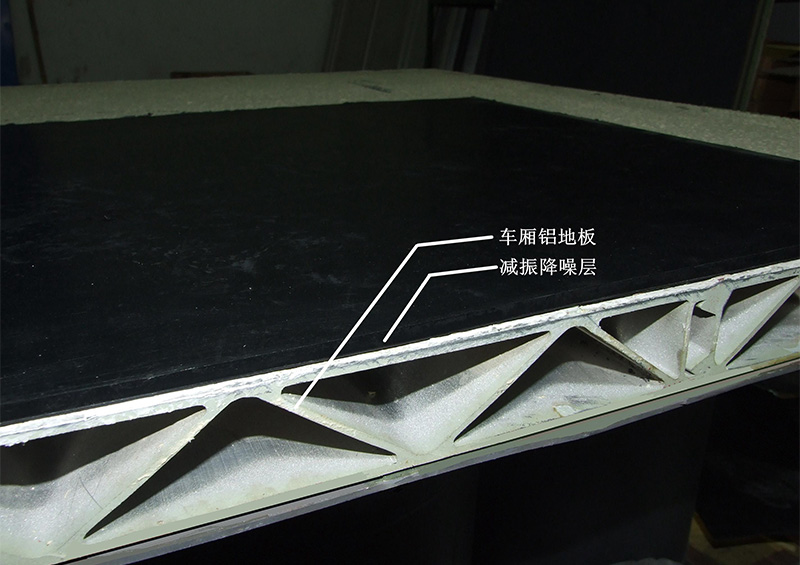
The constrained damping structure has a strong ability of vibration reduction and noise reduction, especially the constrained damping structure with a new polymer damping material as the damping layer, which is a kind of material specially used as the damping layer. The commonly used viscoelastic materials can be divided into four categories according to their low base: asphalt, water soluble materials, latex and epoxy resin, in which fillers and solvents should be added appropriately. Adding packing can greatly increase its damping. The cost of asphalt and water soluble substance is the lowest. When coating on steel plate, the thickness is 1-2 times of the thickness of steel plate. The optimum damping decay rate is 30-40db / s, and the relative thickness is about 1.5mm.
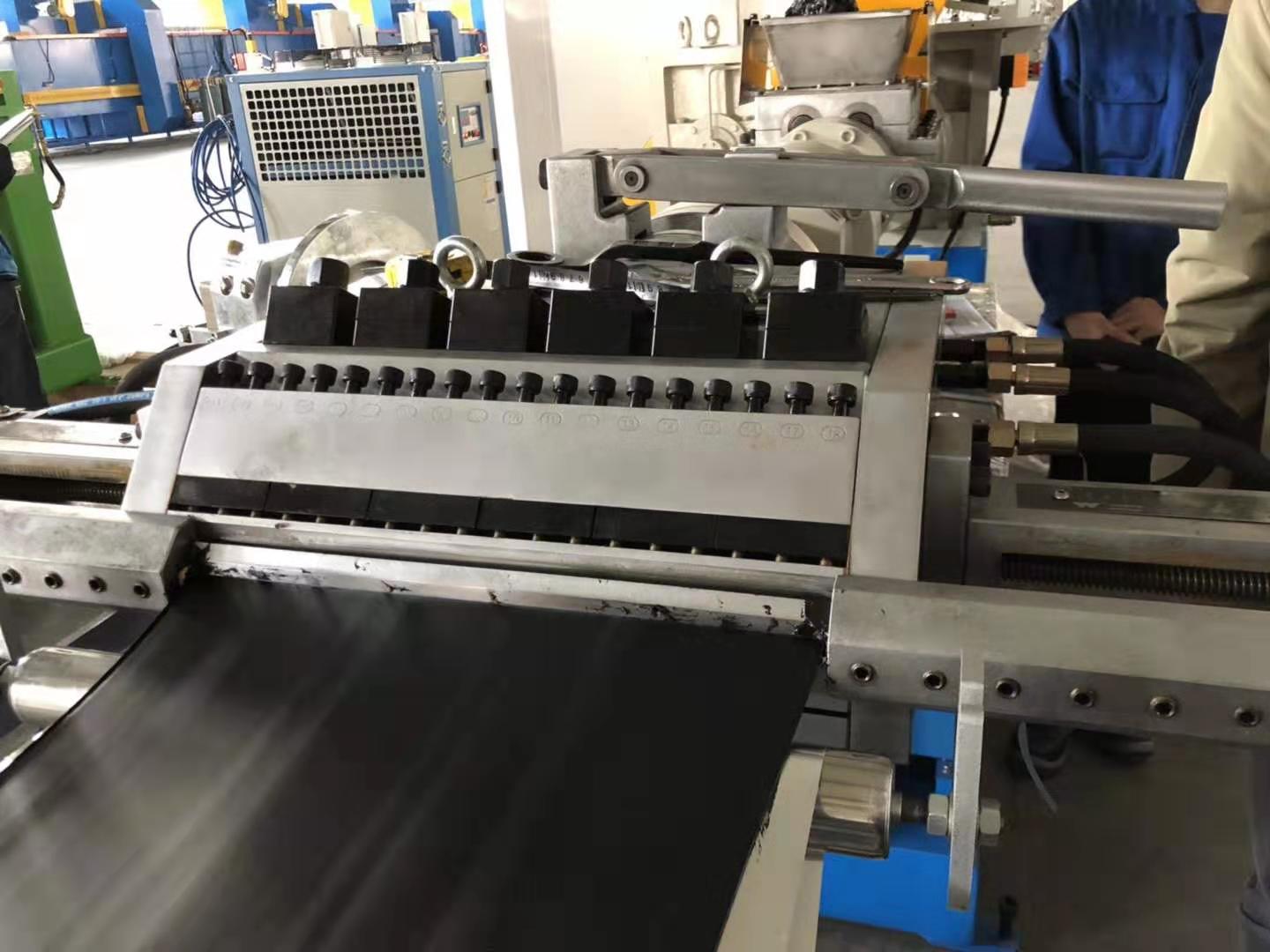
Pcmape uses environmental friendly butyl rubber as the base material of polymer viscoelastic damping material, which is suitable for high temperature, high humidity and other special environments. The best damping decay rate can reach 45dB / s, and the relative thickness is about 0.6. The elastic material is like a spring. When the external force is removed, the shape is completely restored, and it will respond immediately after the force is applied. In the damping system, two kinds of materials are often used in parallel, elastic materials play a role of supporting and buffering, and viscous materials play a role of damping and absorbing vibration energy. Butyl rubber damping has both mechanical properties.
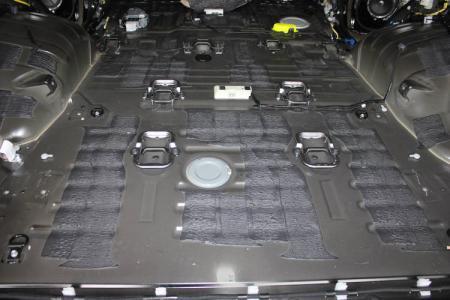
In some special projects, the single-layer constrained damping structure is also difficult to meet the demand. Therefore, it is necessary to study the damping and noise reduction performance of the multi-layer constrained damping structure. Based on the subway test section, the viscoelastic damping material and its multi-layer constrained damping structure are studied. For the same thickness of damping material, the 3-layer 1mm damping layer constrained damping structure is superior to the 1-layer 3mm damping layer constrained damping structure, which is used according to the actual situation of the required damping and noise reduction requirements.