
Viscous damping wall is a kind of damper, which is made of steel plate moving in a closed high viscosity damping fluid (hydrocarbon polymer) to produce shear deformation and viscous damping force. The basic structure and energy dissipation principle of viscous damping wall is composed of steel box fixed on the lower beam and viscous damping material filled in the steel box. Under the action of earthquake, there will be relative velocity between the upper and lower floors of the structure. The inner steel plate fixed on the upper floor beam will move back and forth in the steel box, which will make the viscous material in the steel box produce damping, so as to reduce the dynamic response of the structure and achieve the purpose of energy dissipation and vibration reduction control of the structure. The energy dissipation system of structure is to design some non load-bearing components (such as supports, shear walls, connectors, etc.) of the structure as energy dissipation components, or to install energy dissipation devices in some parts of the structure (interlayer space, nodes), also known as dampers. When an earthquake occurs, with the increase of the lateral deformation of the structure, energy dissipation components or dampers play a role in providing damping and consuming the seismic energy of the input structure, so as to protect the main structure and components from serious damage in the earthquake and ensure the safety of the structure. The energy dissipation and damping technology can be used not only in the new structure, but also in the seismic strengthening of existing buildings.
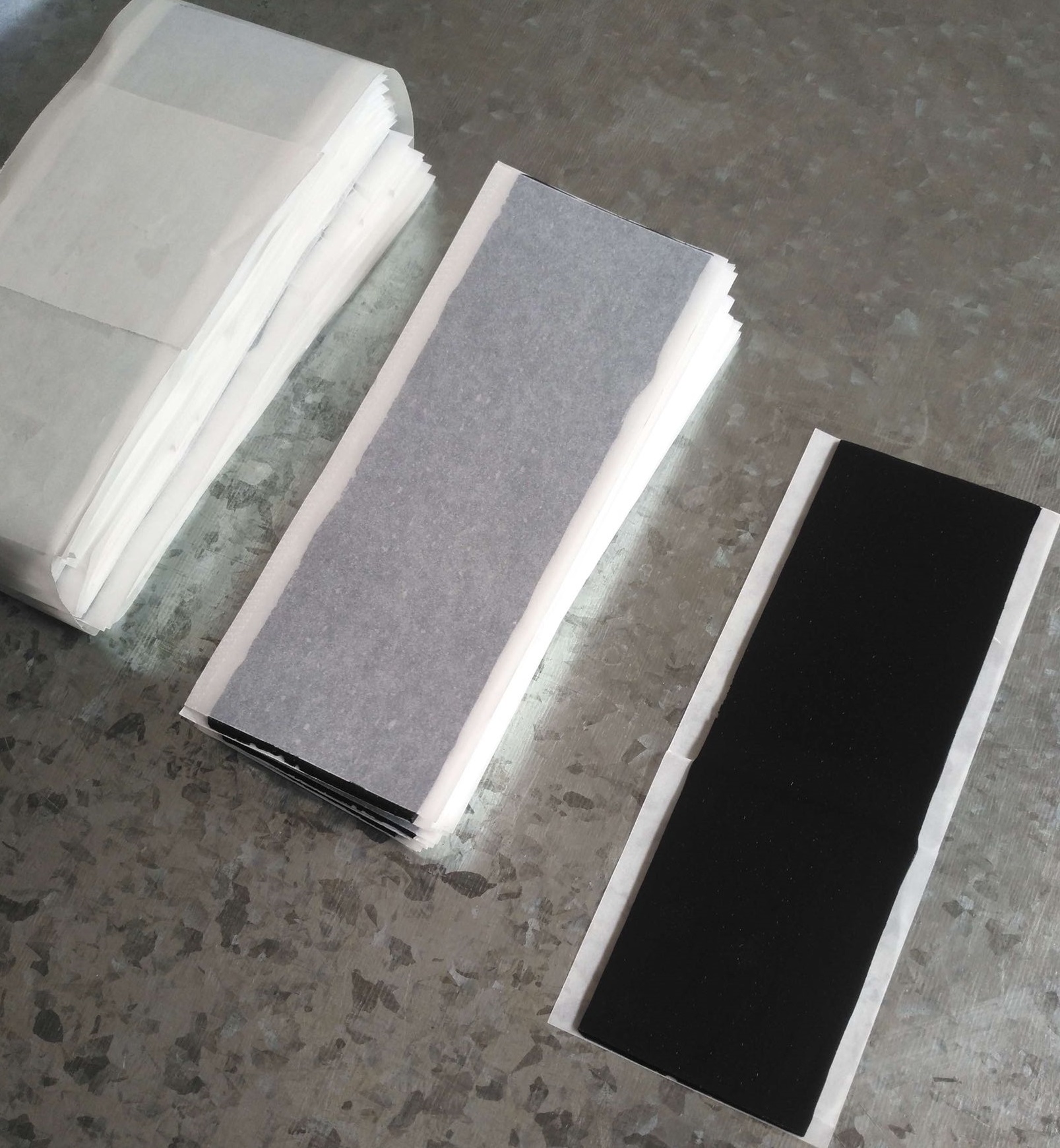
The performance of viscous damping wall is affected by damping medium, ambient temperature, relative displacement and frequency
(1) The influence of damping medium on viscous damping wall. The working principle of the viscous damping wall is to gradually consume the vibration energy through the internal friction of the damping material, so as to achieve the energy dissipation and vibration reduction control of the structure.
(2) The influence of temperature on viscous damping wall. Under the same conditions, the performance of viscous damping wall is better at low temperature. It has a large damping, which can provide a large damping force for the structure, and the energy consumption capacity is also enhanced.
(3) The influence of relative displacement on viscous damping wall. Under the same conditions, according to the principle of energy dissipation and vibration reduction, the viscous damping wall can provide large damping force when the relative displacement is large. (4) The influence of frequency on viscous damping wall. Under the same conditions, the viscous damping force increases with the increase of frequency.
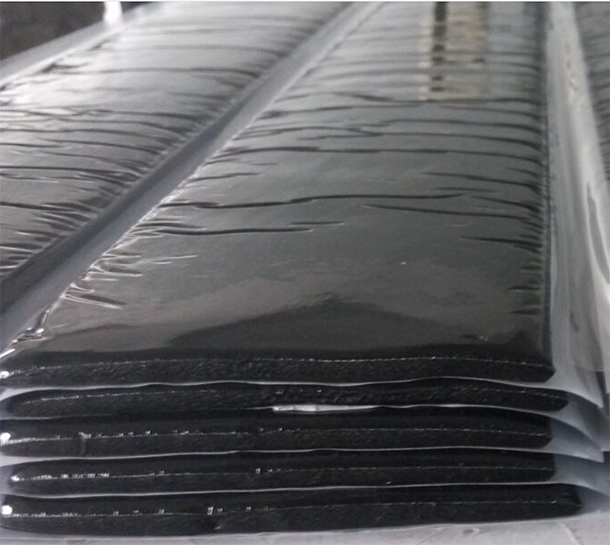
Finally, through the experimental study of damping wall and concrete wall, and using the time domain analysis module and the time domain analysis module of DASP analysis software, the damping performance of damping wall and concrete wall and damping wall with the number of layers is compared. The results show that the loss factor of damping wall is significantly higher than that of concrete wall. The average value of the first-order loss factor of each layer of the damping wall is 0.197, and the first-order loss factor of each layer of the concrete wall is 0.143. Compared with the concrete wall, the first-order loss factor of the damping wall increases by 0.054 as a whole.

Compared with the concrete wall, the vibration acceleration of the first floor of the damping wall decreased by 2.75db, that of the second floor by 12.38db, that of the third floor by 6.32db and that of the seventh floor by 6.67db. Taking the total level value of vibration acceleration of each floor on the right side as an example, the total level value of vibration acceleration of the first, third, fifth and seventh floors on the right side decreased by 10.02db, 1.5dB and 0.55db in turn. The attenuation time of damping wall is less than that of concrete wall, and the vibration amplitude of each layer is lower than that of concrete wall, and the attenuation time of damping wall decreases with the increase of damping layers. Based on the above experimental research, the performance difference between multi-layer and single-layer constrained damping structures is obtained, and the optimal damping number of multi-layer constrained damping structures is determined, which provides basic data and theoretical support for the practical application of multi-layer constrained damping structures.